
Port of Detroit Decarbonization Planning Project
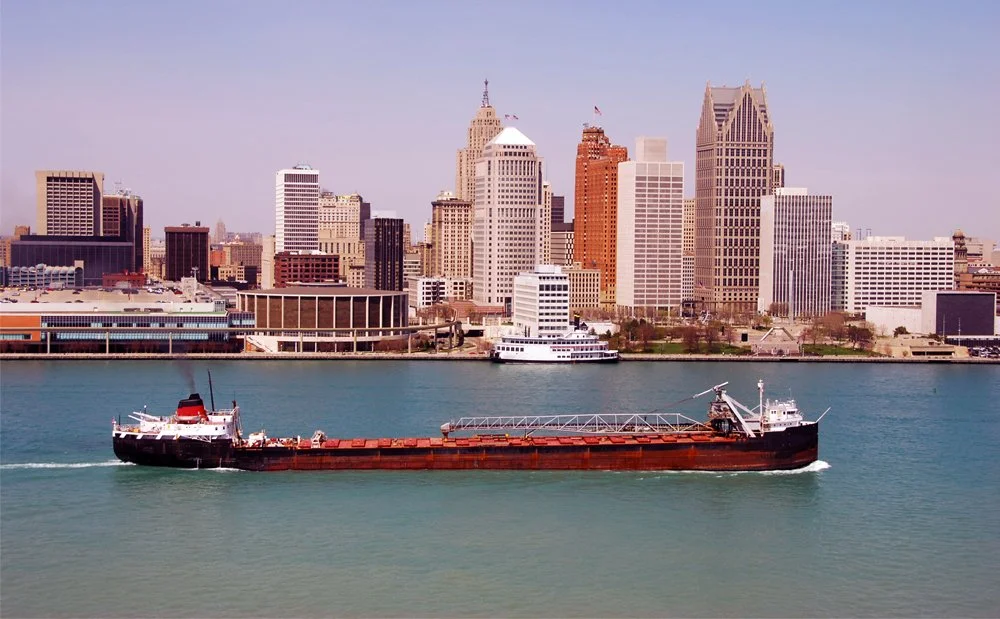


Our History working together with the Port of Detroit
The Port of Detroit received an earmark to begin a decarbonization plan in 2021. From 2021-2023, The Port talked with 19 port operators, private terminals business and industry that move their good on boats, and other Downriver Ports in Ecorse and Trenton to learn about their business, equipment needs, and sustainability plans. Southwest Detroit Environmental Vision supported their work with community engagement and outreach, which aims to transition to zero emissions by 2040.
Why is this important?
13% of the areas emissions come from lakers use of diesel fuel while idling and the use of smaller equipment to off load their goods to the shore. A laker can idle up to 24 hours to move all of their cargo. Up to 10,000 drayage rucks then move the cargo to area industry for consumption and use or to rail to transport to other parts of Michigan.
Phase II: 2025 Ports Planning Grant
This key planning activity is to understand zero-emission future while prioritizing community benefits and local workforce development. This planning activity is designed to prepare the local workforce for the port’s transition to clean energy over the next 15-20 years.
Planning for a Cleaner, Greener Port of Detroit and planning for clean energy jobs.

Goal
To identify current job gaps and future workforce needs, including new careers that will emerge and those that will be phased out.
Scale of Impact
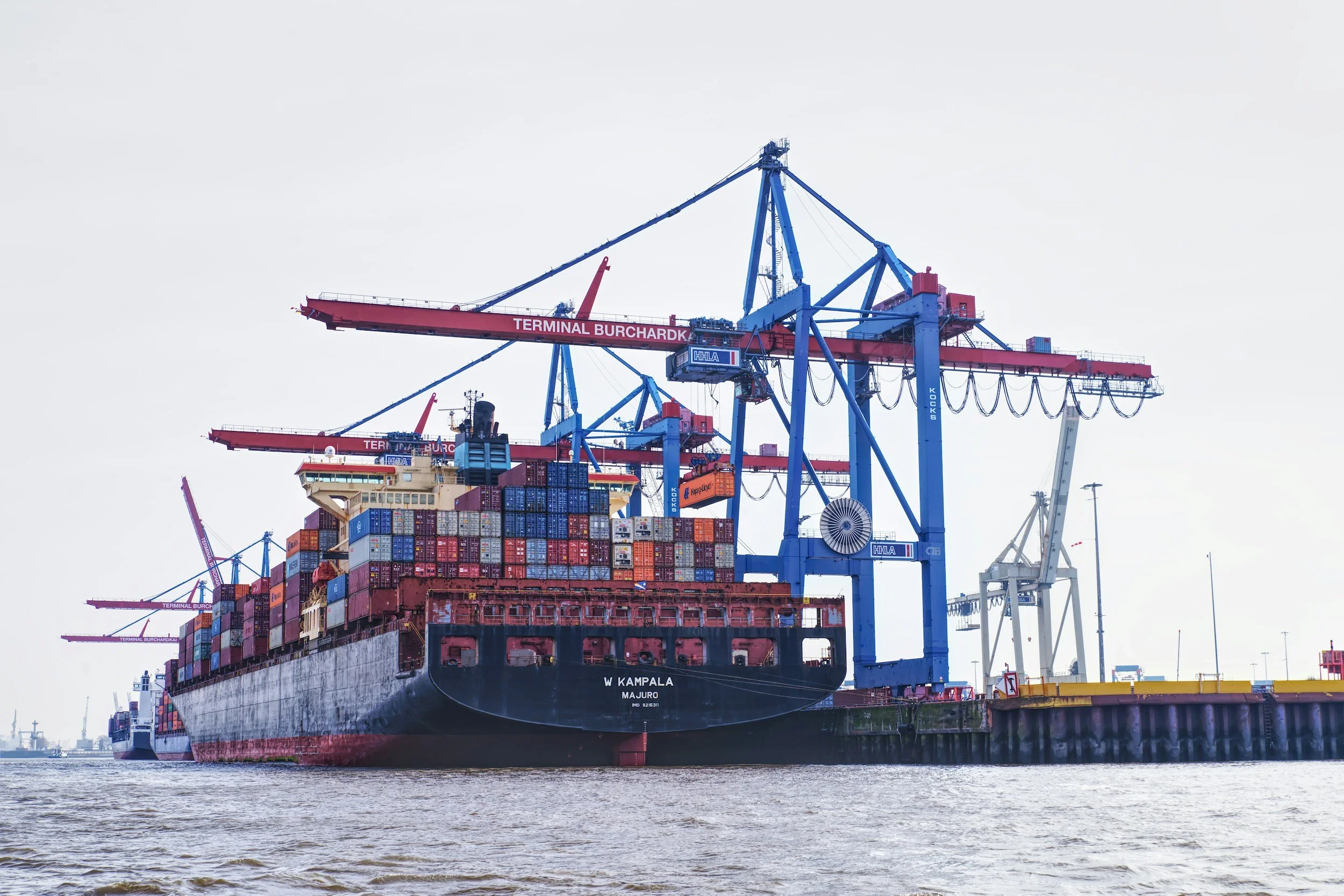
The Port of Detroit is a major logistics hub with 18 cargo terminals, handling over 8 million tons of cargo and supporting over 16,000 direct and indirect jobs.
Community-Focused Transition
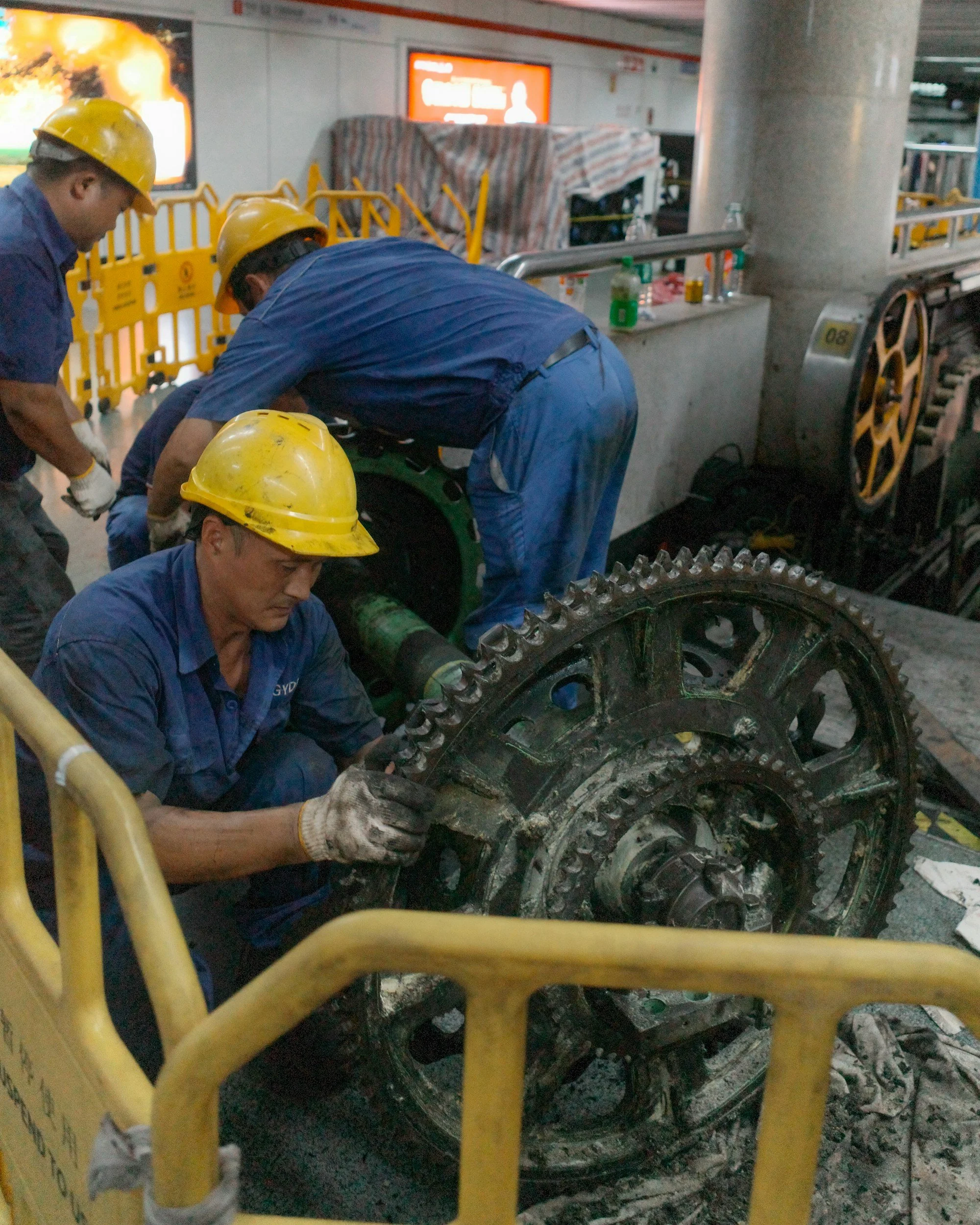
This is a core component of the Port Authority’s Decarbonization Plan, which aims to transition to zero emissions by 2040. A key goal of the plan is to ensure that this transition includes good-paying jobs for residents who live in and near the Port of Detroit.
-
Merchant Marines that work on freighter on the lake can start at $90,000
The Port of Detroit region is also one of the busiest logistics hubs in the county, with over 10,000 trucks moving goods and manufacturing cargo every day.